


Why does high-quality finished edible oil smell cleaner and deliver more stable flavor?
The answer lies in a crucial refining step — Deodorization.
The core function of deodorization is to remove odor-causing substances, volatile impurities, and flavor-affecting components from oil. In physical refining, deodorization also plays a critical role in the removal of free fatty acids, directly influencing final oil quality.
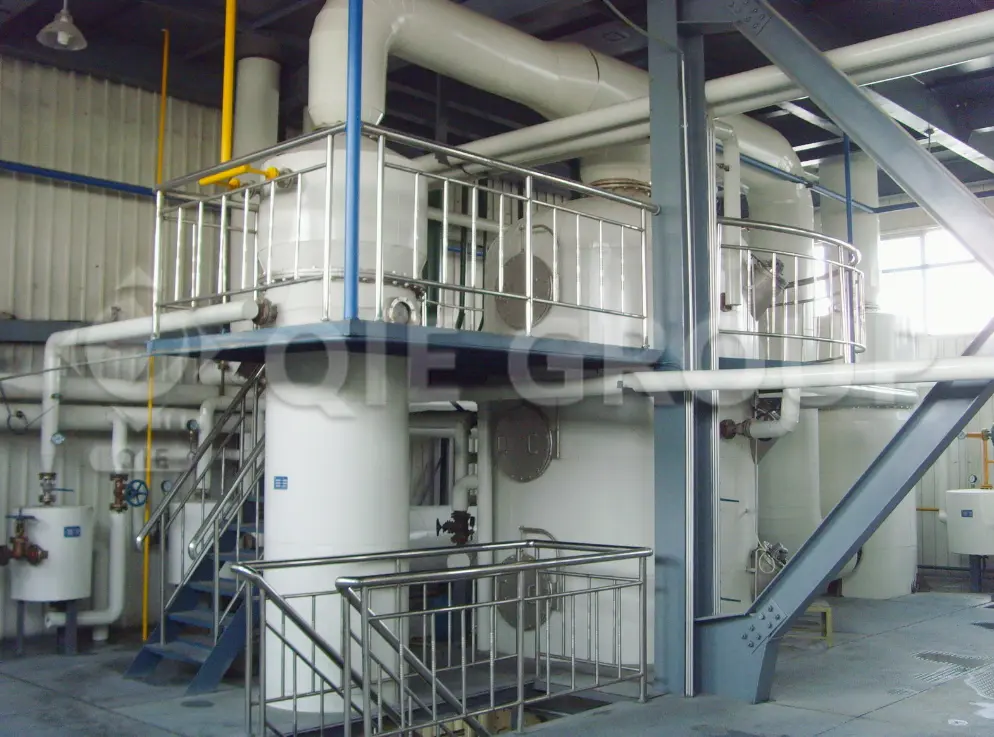
The deodorization process generally consists of three main stages:
• Deaeration and heating: Before the oil enters the deodorization system, dissolved air is removed to create a stable environment for efficient deodorization.
• Deodorization stage: Under absolute pressure of approximately 100–200 Pa (near vacuum), steam is injected into the oil. Through steam stripping and intensive contact between oil and steam, odor compounds and impurities are carried away, resulting in purer oil.
• Cooling stage: After deodorization, the oil is cooled under vacuum conditions to prevent oxidation and maintain stable quality.
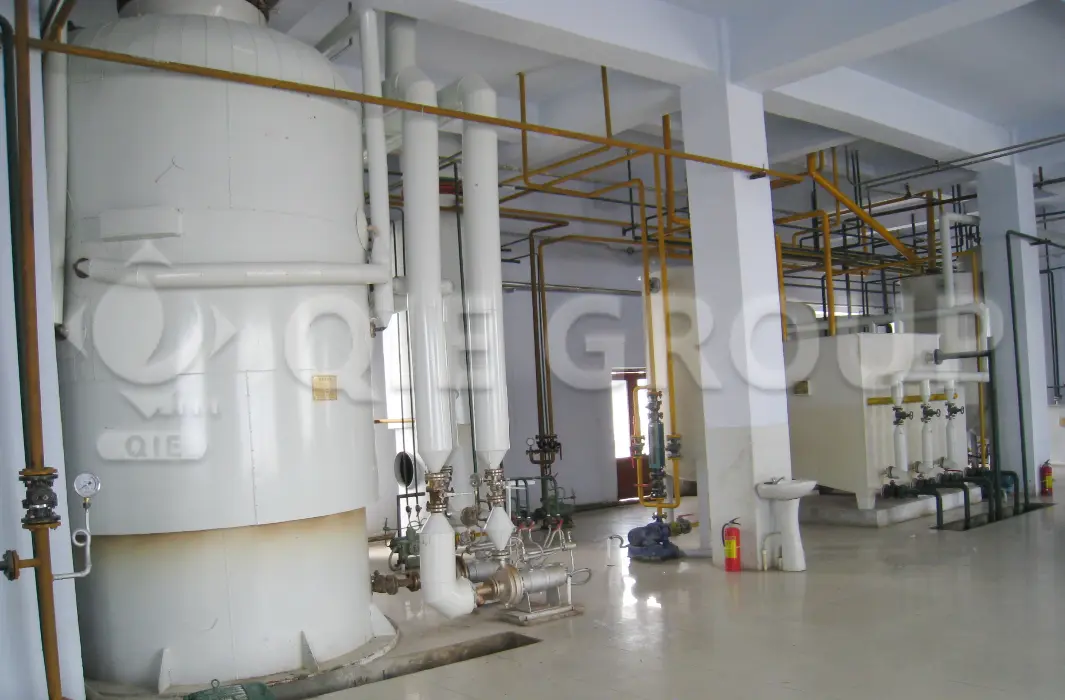
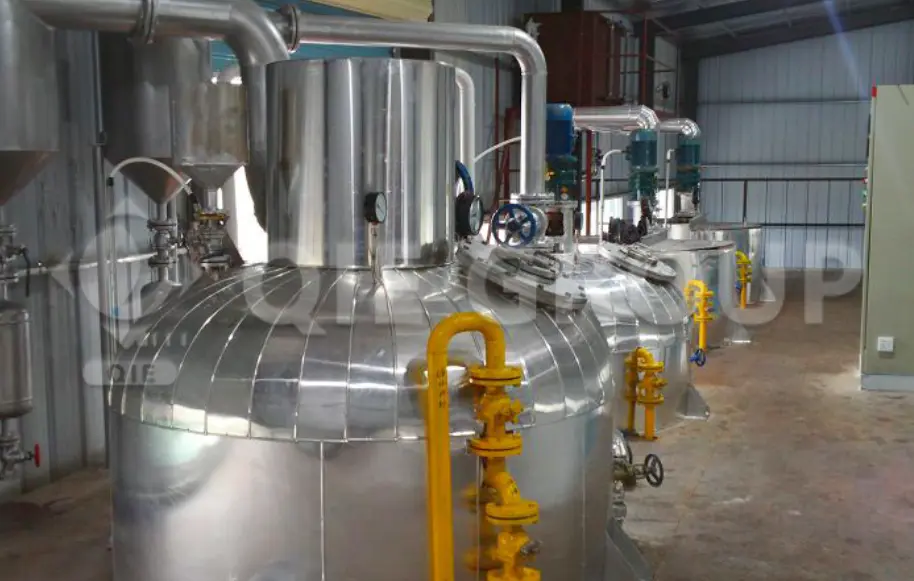
QIE GROUP offers continuous high-efficiency deacidification and deodorization towers designed for large-scale, stable operation, as well as flexible batch deodorization systems suitable for multiple oil types and small-batch or frequent product changeovers.
Want to learn how deodorization equipment integrates with a complete edible oil refining line to deliver higher-quality oils?
Stay connected with us for more in-depth technical insights.
Please feel free to leave your needs here, a competitive quotation will be provided according to your requirement.


