QIE GROUP delivers a 50 TPD peanut oil pressing project with a 20 TPD cold filtration system, integrating peanut cleaning, pretreatment, continuous roasting, screw pressing, and physical filtration for stable production of premium aromatic peanut oil.


This 50 TPD fragrant peanut oil pressing project is designed for the continuous production of premium aromatic peanut oil, supported by a 20 TPD cold filtration system for oil clarification and quality improvement. The production line covers peanut cleaning, pretreatment, continuous roasting, screw pressing, physical cold filtration, and finished oil storage, forming a complete process route from raw material intake to packaged-quality peanut oil output.
The project focuses on combining traditional fragrant peanut oil processing characteristics with modern process control and continuous equipment operation. By doing so, it supports stable production of peanut oil with a golden appearance, rich aroma, and pure taste, while improving consistency across batches for branded edible oil manufacturers serving the mid- to high-end market.
The project includes a 50 TPD peanut processing and pressing section together with a 20 TPD cold filtration section. Each processing stage is configured around the product requirement of fragrant peanut oil, where aroma retention, flavor expression, and oil clarity are all critical to final product positioning.
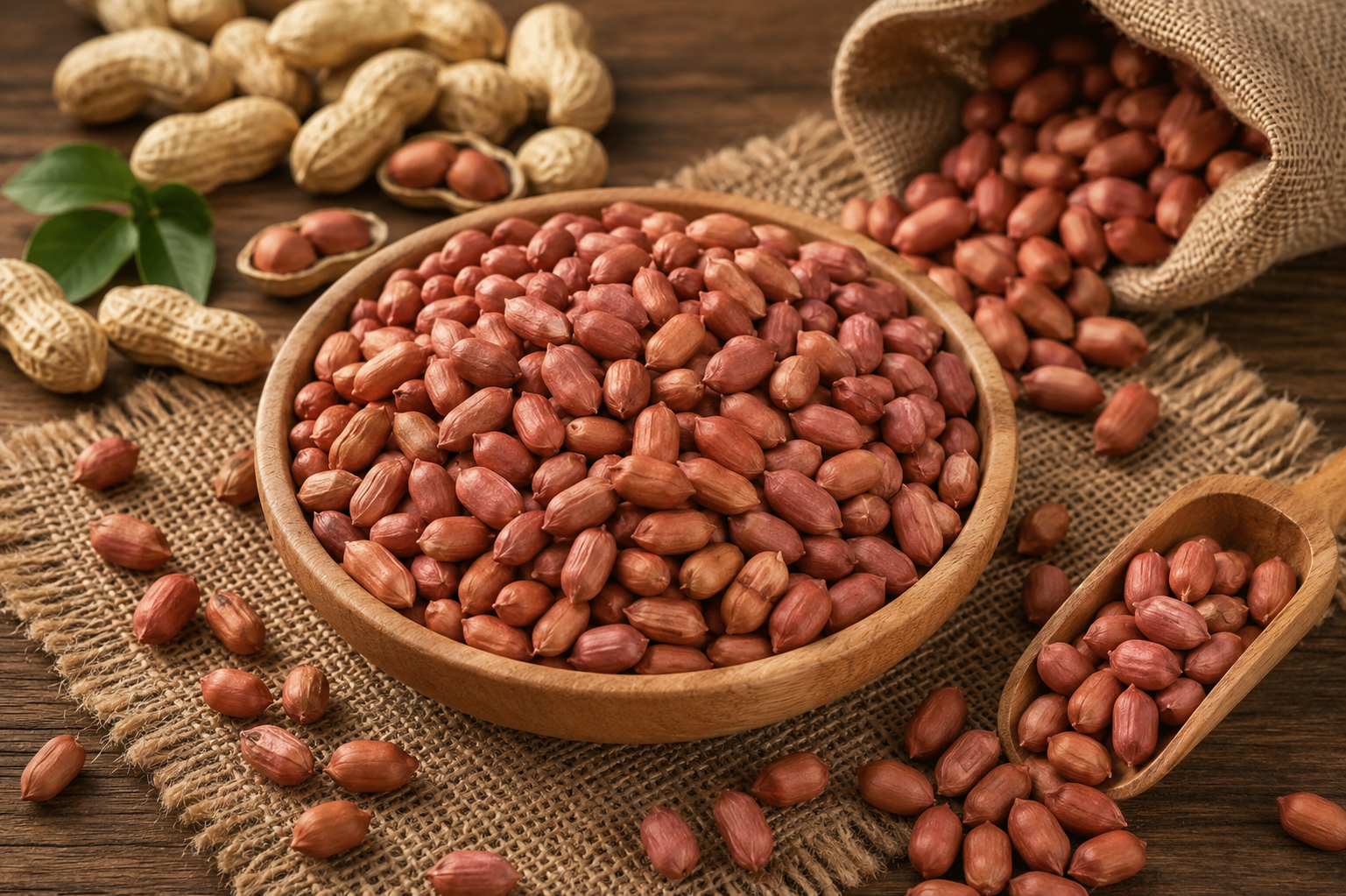
After entering the line, peanuts pass through vibrating screening, destoning, and magnetic separation. This stage removes foreign materials such as dust, stones, and metal contaminants before thermal treatment and pressing. A stable cleaning section helps reduce equipment wear, lowers operational risk, and creates a more controlled foundation for downstream fragrant peanut oil processing.
Cleaned peanuts then enter the continuous roasting system. With automatic temperature control and continuous operation, the roasting process can manage heating intensity and retention time more consistently than manual roasting. This helps the material receive uniform heat, supports moderate protein denaturation, and promotes the release of natural aromatic substances that define fragrant peanut oil.
Roasting is one of the most important stages in determining aroma strength, color development, and flavor stability. A continuous roasting configuration also helps reduce batch-to-batch variation, which is essential for standardized commercial production.
Roasted peanuts are fed into the screw pressing system, where oil is extracted through mechanical compression. This process route is suitable for fragrant peanut oil production and supports the expression of the traditional flavor profile associated with roasted peanut pressing.
The pressed oil typically shows a golden color and rich aroma, while the pressing section is configured for stable operation, convenient maintenance, and reliable throughput. In practical operation, the system is intended to balance oil recovery, product quality, and continuous production needs.
The crude pressed peanut oil then enters the 20 TPD cold filtration system for physical filtration. This section is used to remove suspended matter and improve visual clarity without introducing chemical additives. The process is designed to maintain the natural aroma and taste of the oil while delivering a clearer and more stable finished product suited to premium market expectations.
For edible oil processors, this project provides a practical solution for converting traditional fragrant peanut oil craftsmanship into a more standardized industrial production model. The line supports product upgrading by improving aroma consistency, production continuity, and finished oil appearance, while preserving the sensory characteristics valued by the market.
The combination of cleaning, continuous roasting, screw pressing, and cold filtration is especially relevant for manufacturers seeking to build a differentiated peanut oil offering. It allows the finished product to better align with premium retail positioning, private-label development, and regional brand expansion where flavor recognition and product stability are both important.
From an operational perspective, the project also supports clearer process organization, easier production management, and more reliable daily output, which can strengthen market responsiveness and long-term product competitiveness.
After commissioning, the line achieved stable operation with a peanut handling capacity of 50 tons per day and a cold filtration capacity of 20 tons per day. Through the coordinated application of raw material cleaning, continuous roasting, screw pressing, and physical filtration, the resulting fragrant peanut oil demonstrates a golden and clear appearance, persistent aroma, pure taste, and stable overall quality.
The project supports the customer’s product upgrade and branded market development by enabling more consistent batch production and improved finished oil presentation for higher-value peanut oil applications.
QIE GROUP applies its edible oil engineering experience to projects of this type by integrating process design, equipment manufacturing, installation, commissioning, and operator training within one engineering management framework. For specialty oil lines such as fragrant peanut oil pressing, process coordination between roasting, mechanical extraction, and physical filtration is especially important to final product quality and operational consistency.
Based on its technical coverage in oilseed pretreatment, pressing, refining, and intelligent control integration, QIE GROUP supports customers in developing production lines that are aligned with raw material characteristics, product positioning, and practical plant operation requirements. This helps ensure that the project is not only process-feasible, but also suitable for long-term branded manufacturing.
Overall, this 50 TPD fragrant peanut oil pressing project with 20 TPD cold filtration represents a mature and application-oriented peanut oil processing solution for enterprises seeking consistent aroma, clear oil quality, and dependable continuous production.