QIE GROUP delivered a 200TPD sunflower, cottonseed, and soybean pressing project with a 50TPD edible oil refining line, integrating pretreatment, pressing, refining, solvent recovery, and automation to support stable production, higher oil recovery, and diversified oilseed processing.


This project is an integrated edible oil processing plant designed for sunflower seed, cottonseed, and soybean, combining a 200TPD pressing line with a 50TPD edible oil refining line. The production setup connects raw material pretreatment, mechanical pressing, crude oil handling, refining, solvent-related auxiliary sections, and automation control into one coordinated process route.
The plant is intended to support customers seeking more flexible multi-oilseed processing, improved raw material utilization, and a practical route from oilseed intake to refined edible oil output. By integrating pressing and refining within the same project framework, the line also supports better production continuity and clearer operational management.
For oil processing enterprises, this type of configuration offers a balanced solution where capacity, product quality, oil recovery, and by-product value can be managed together instead of as separate production islands.
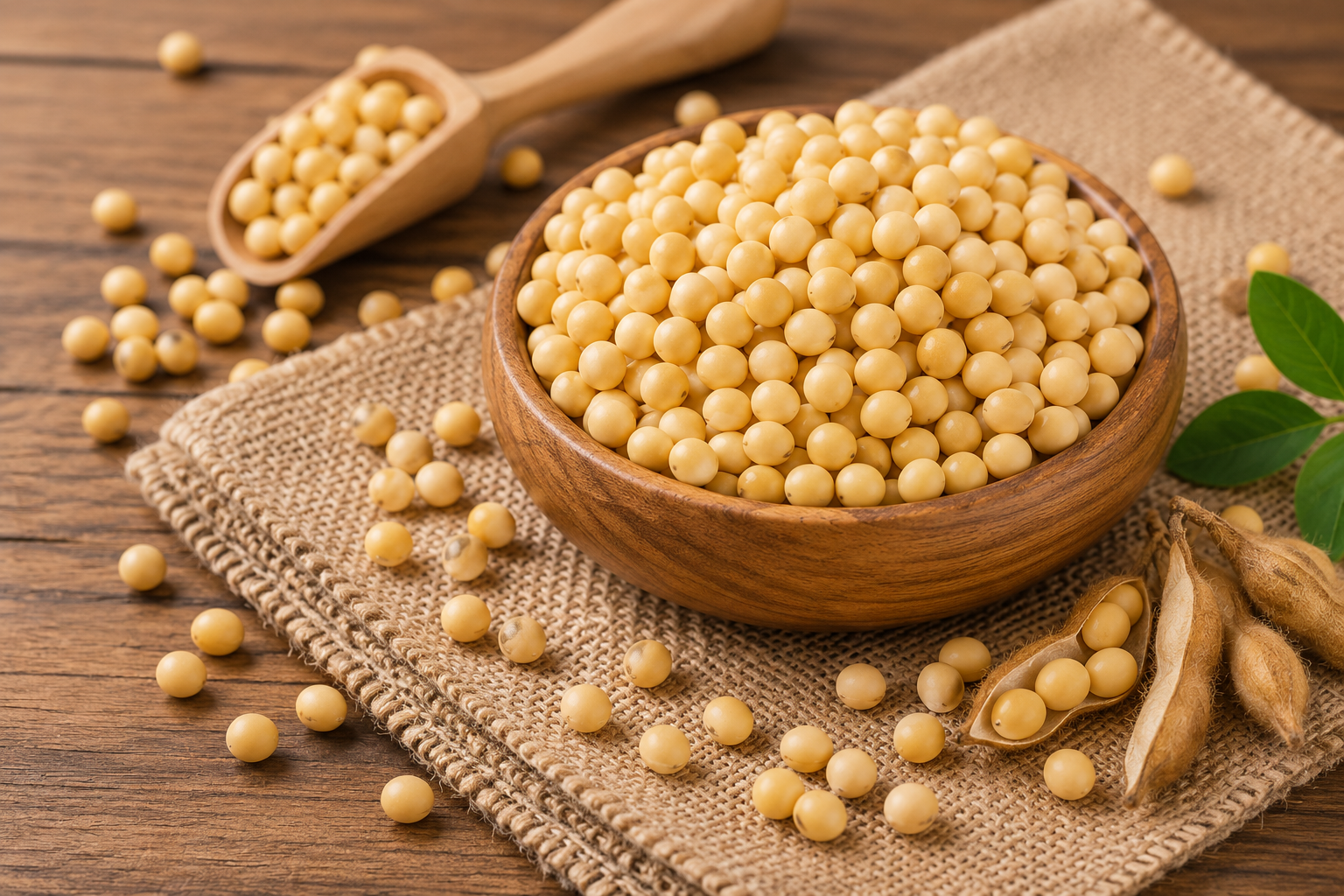
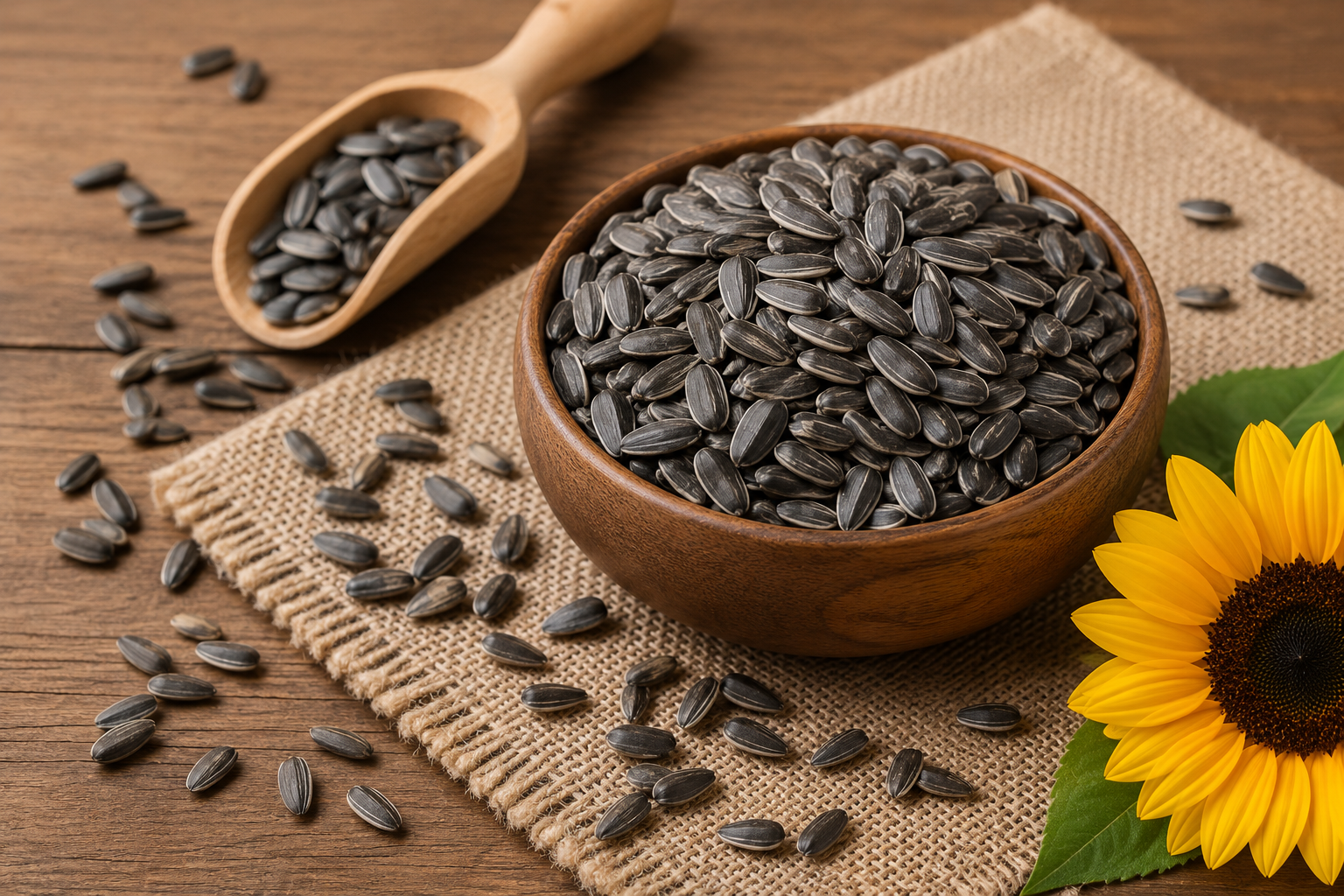
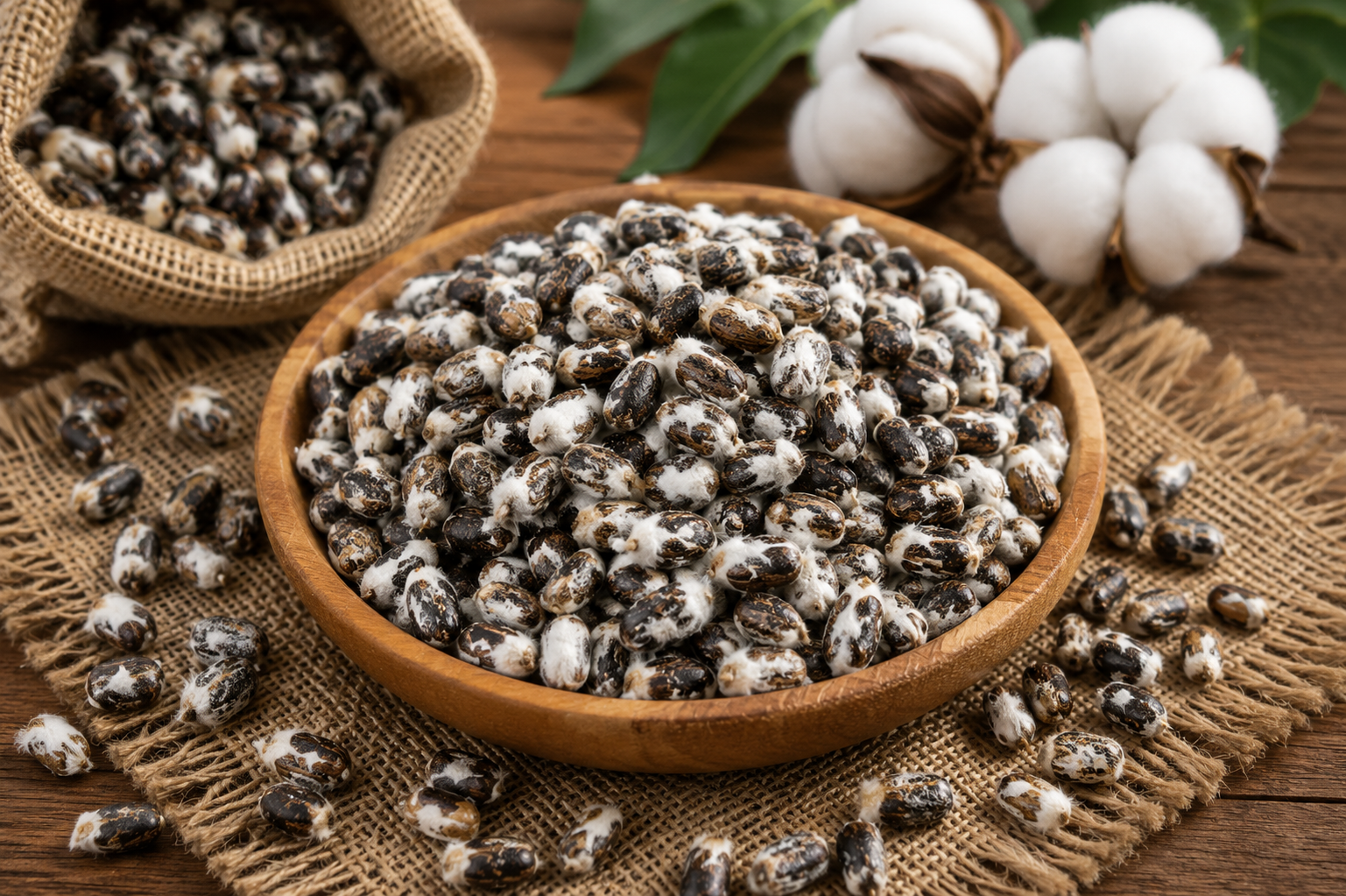
The line is configured for multi-oilseed processing, which is especially valuable in markets where raw material availability, seasonal supply, or commercial purchasing strategies require flexibility. In this project, the key oil-bearing materials include:
Based on this raw material mix, the plant can produce multiple value streams, including:
Pretreatment is the foundation for stable pressing performance. The process begins with cleaning to remove dust, stones, and other impurities that may affect equipment safety, plant hygiene, or line efficiency. This is followed by crushing and conditioning, which help create more uniform material properties for downstream oil extraction.
For sunflower seed, cottonseed, and soybean, proper pretreatment is important not only for smoother mechanical operation, but also for supporting oil release, reducing process fluctuation, and improving the consistency of cake handling after pressing.
The core pressing stage uses continuous screw pressing to extract oil from prepared oilseeds. This arrangement supports ongoing production while keeping material transfer more organized across the line. After pressing, the separated press cake is conveyed for further handling, and the crude oil stream moves to the next stage for refining.
Where process planning includes further oil recovery from residual oil-bearing solids, the line can support subsequent treatment logic linked to extraction-related preparation and solvent recovery systems. This combined route helps improve overall oil recovery from the raw material stream.
The 50TPD edible oil refining line processes crude oil through key refining steps such as degumming, decolorization, deacidification, and deodorization. These stages are designed to remove unwanted impurities and improve the oil’s market-ready characteristics.
A properly configured refining process helps deliver edible oil with cleaner appearance, more stable sensory quality, and processing characteristics aligned with food-use requirements. This also gives customers a more direct route from oilseed processing to finished oil commercialization.
Multi-oilseed compatibility
The plant is built to handle sunflower seed, cottonseed, and soybean within one integrated production framework. This improves operational flexibility and helps enterprises respond to changing raw material supply and product planning needs.
Improved oil recovery route
By combining pressing with extraction-related auxiliary consideration and solvent recovery support, the project follows a process logic aimed at increasing oil recovery from different oil-bearing materials.
Automation for stable operation
The line is designed with automation control to support continuous production, more convenient operation, and more consistent process management across pretreatment, pressing, and refining sections.
Energy-saving and environmental consideration
The inclusion of solvent recovery and heat utilization logic supports lower process waste and more efficient use of resources, which is important for modern edible oil processing plants.
Dual-value output structure
In addition to crude and refined edible oil, the project also creates value through high-protein meal, supporting broader utilization of the processed oilseed stream.
For a 200TPD edible oil pressing plant with a connected 50TPD refining line, the engineering focus is not limited to equipment selection alone. Reliable operation depends on how pretreatment conditions, pressing parameters, crude oil transfer, refining sequence, cake handling, and control logic work together as one process system.
In projects of this type, QIE GROUP applies its experience in edible oil process design, complete equipment manufacturing, intelligent control integration, and project execution under a unified engineering management framework. This is particularly relevant for customers looking for a coordinated solution rather than isolated equipment procurement.
With technical coverage spanning pretreatment, pressing, extraction-related systems, refining, automation, and operator support, QIE GROUP can align plant design with raw material characteristics, target products, and practical production requirements for multi-oilseed processing facilities.
This sunflower, cottonseed, and soybean pressing and refining project supports the customer’s processing capability upgrade by creating a more complete industrial route from oilseed intake to refined edible oil output. It also improves the use of available raw materials and strengthens the commercial value of both oil and meal streams.
For regional edible oil markets, a plant with this structure can contribute to a more stable supply of vegetable oil products and protein-rich by-products. For the operating enterprise, it provides a practical foundation for capacity expansion, diversified raw material use, and more structured production management.
As an integrated sunflower, cottonseed, and soybean pressing and refining project, this case reflects the importance of process compatibility, stable operation, and engineering-based plant planning in modern edible oil production.